
Academic program

Writing for Theatre, Musical & Film Diploma

The curriculum develops story, character, and dramatic structure through writing, discussion, and revision for theatre, musical theatre, and film.

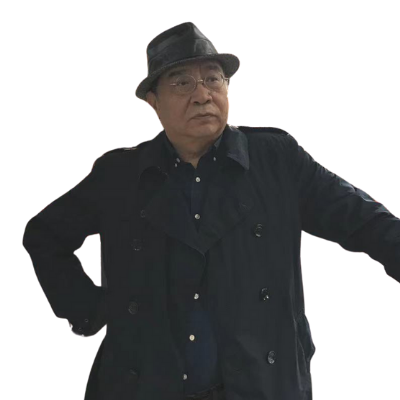
YCMA creative writing instructor Yanwu Liu

Academic focus

Story, structure, and scriptwriting

The program develops writers who can move between research, dramatic structure, music, rehearsal, and production while sustaining an original creative voice.

  • Story and structure
  • Writing for performance
  • Creative development

Learning design

How learning develops

Students learn through close reading and viewing, writing exercises, workshops, peer critique, interviews, rehearsal, collaborative production, portfolio development, and an individually guided final project.

Program learning outcomes

  • Research and analyse film, music, theatre, musical, and screen works in their cultural and production contexts.
  • Develop original stories through character, structure, dialogue, image, sound, and revision.
  • Collaborate through interviews, workshops, rehearsals, and stage or screen production processes.
  • Plan, complete, present, and reflect on a substantial creative project or thesis.

Representative repertoire and materials

  • Screenings and close readings across film history, genre, and production practice
  • Classical and culturally diverse music and opera used for listening, analysis, and adaptation
  • Short scripts, interview materials, rehearsal texts, and collaborative production documents
  • An original final creative project or research thesis

Curriculum

Curriculum

The nineteen-course sequence moves from film, music, and writing studies into rehearsal, production, advanced musical and screen work, and a final project or thesis.

Each course entry includes its full description, learning outcomes, repertoire or materials, teaching methods, and the operational details published with the curriculum. Open an individual course or display the complete curriculum at once.

Course information

This program provides comprehensive creative-writing training for theatre, musical theatre, and film. It combines theory with practical application across nineteen courses and concludes with a final project or thesis.

Historical version: The durations, homework estimates, and prerequisite sequence reflect the arrangements in effect when they were published and may have changed. Confirm current requirements with the academy.

Year 1

101Film Study

Provides an in-depth study of the history, techniques, and cultural impact of filmmaking. Through film genres, styles, and influential works, students develop critical-analysis skills and a comprehensive understanding of cinema as an art form.

Learning outcomes

  • Analyse cinematography, editing, sound, and narrative.
  • Relate film form to cultural, social, and technological contexts.
  • Discuss ethical questions in film creation and reception.
  • Trace the historical development of cinema and its impact on society.
  • Compare and critically interpret different film genres and styles.

Course requirements (historical version)

Duration
3 weeks (60 instructional hours)
Prerequisite
None.
Homework estimate
Approximately 5 hours per week
102Creative Writing

Develops creative-writing skills across short fiction, poetry, and creative nonfiction. Through writing exercises, peer workshops, and discussion, students learn to develop original ideas and craft compelling narratives.

Learning outcomes

  • Generate characters, settings, plots, and original concepts.
  • Use literary devices with precision and purpose.
  • Give, receive, and apply constructive editorial feedback.
  • Write original work across short fiction, poetry, and creative nonfiction.
  • Revise and edit creative work for clarity and coherence.

Course requirements (historical version)

Duration
3 weeks (60 instructional hours)
Prerequisite
None.
Homework estimate
Approximately 4 hours per week
103Music Study

Explores fundamental music theory, history, and appreciation. Students develop a comprehensive understanding of musical elements, genres, and historical contexts in order to analyse and appreciate different forms of music.

Learning outcomes

  • Identify and describe fundamental musical elements.
  • Compare genres, periods, and compositional styles.
  • Analyse how music creates structure, atmosphere, and meaning.
  • Trace the development of Western music from ancient times to the present.
  • Apply critical listening to appreciate and evaluate different forms of music.

Course requirements (historical version)

Duration
3 weeks (60 instructional hours)
Prerequisite
None.
Homework estimate
Approximately 6 hours per week
104Symphonic Music across Cultural Traditions

Explores symphonic music created within diverse cultural traditions around the world. Students study distinctive musical traditions, instruments, and compositions while developing an informed appreciation of cultural diversity in symphonic music.

Learning outcomes

  • Identify distinctive instruments, forms, and musical languages.
  • Interpret works within their cultural and historical settings.
  • Evaluate cross-cultural influence without reducing traditions to stereotypes.
  • Analyse the musical characteristics, instruments, and forms found in culturally diverse symphonic works.
  • Listen critically and interpret the musical and cultural significance of the works studied.

Course requirements (historical version)

Duration
3 weeks (60 instructional hours)
Prerequisite
None.
Homework estimate
Approximately 5 hours per week
105Appreciation of Classical Music

Offers an immersive study of classical music across periods, composers, and genres. Through listening, exploration, and analysis, students develop an informed appreciation of the structure, detail, and expressive character of classical compositions.

Learning outcomes

  • Recognize major periods, composers, forms, and genres.
  • Analyse musical structure and stylistic characteristics.
  • Articulate an evidence-based listening response.
  • Identify key composers and explain their contributions to classical music.
  • Recognize the emotional effects created by musical structure and style.

Course requirements (historical version)

Duration
3 weeks (60 instructional hours)
Prerequisite
None.
Homework estimate
Approximately 5 hours per week
106Opera across Cultural Traditions

Explores opera traditions from culturally diverse communities around the world. Through musical analysis and cultural context, students study the heritage, vocal practices, and distinctive musical languages of these forms.

Learning outcomes

  • Compare vocal and theatrical practices across traditions.
  • Relate recurring themes and stories to cultural context.
  • Analyse how music, voice, gesture, and staging interact.
  • Identify the distinctive vocal techniques and musical characteristics of the traditions studied.
  • Evaluate the contribution of culturally diverse opera traditions to the performing arts.

Course requirements (historical version)

Duration
3 weeks (60 instructional hours)
Prerequisite
None.
Homework estimate
Approximately 6 hours per week
107Selected Topics in Film Production

Examines specialized areas of film production in depth. Through theoretical study and practical exercises, students develop knowledge and skills in advanced production techniques and processes, including cinematography, lighting, sound, and post-production.

Learning outcomes

  • Connect technical production choices to story and audience experience.
  • Apply production methods in practical exercises.
  • Collaborate within a defined production role.
  • Analyse advanced film-production techniques and strategies.
  • Identify and respond to the creative and technical challenges of producing a high-quality film.

Course requirements (historical version)

Duration
4.25 weeks (85 instructional hours)
Prerequisite
None.
Homework estimate
Approximately 5 hours per week
108Career Development in Film and Television Drama

Focuses on the practical work of building a career in film and television drama. Through theory and hands-on exercises, students develop skills for navigating the industry, strengthening their craft, and pursuing meaningful professional opportunities.

Learning outcomes

  • Map roles and pathways within film and television drama.
  • Prepare a coherent professional portfolio and introduction.
  • Practise professional communication and negotiation.
  • Develop networking, self-promotion, and job-search strategies for the industry.
  • Navigate opportunities and challenges in the changing film and television environment.

Course requirements (historical version)

Duration
4.25 weeks (85 instructional hours)
Prerequisite
None.
Homework estimate
Approximately 5 hours per week
109Creative Interviews

Develops the skills required to conduct effective interviews in film, television, theatre, music, and other creative industries. Students learn to prepare, interview, listen, follow up, and analyse conversations with artists, creators, and industry practitioners in order to gather meaningful insights and create engaging content.

Learning outcomes

  • Research a subject and design purposeful questions.
  • Use active listening and follow-up to deepen a conversation.
  • Edit interview material into accurate, engaging content.
  • Explain the purpose and value of interviews in creative industries.
  • Conduct professional interviews with artists, creators, and industry practitioners.

Course requirements (historical version)

Duration
3.25 weeks (65 instructional hours)
Prerequisite
None.
Homework estimate
Approximately 4 hours per week
110Rehearsal Techniques

Provides a comprehensive study of rehearsal techniques and processes used in theatre, film, music, and dance. Through practical exercises and theoretical study, students learn to lead effective rehearsals, strengthen collaboration among performers, and support successful artistic outcomes.

Learning outcomes

  • Structure a rehearsal around clear artistic and practical goals.
  • Read scripts and scores to identify rehearsal priorities.
  • Build a collaborative environment and communicate useful notes.
  • Explain the role of rehearsal in the creative process.
  • Use rehearsal techniques to strengthen performers’ communication and expression.

Course requirements (historical version)

Duration
3.25 weeks (65 instructional hours)
Prerequisite
None.
Homework estimate
Approximately 4 hours per week
111Short Film Script Development

Provides comprehensive guidance in writing compelling short-film scripts. Through theoretical discussion, practical exercises, and peer feedback, students develop the skills to create engaging narratives suited to the opportunities and constraints of short film.

Learning outcomes

  • Work within the scale and narrative economy of short film.
  • Write visual action, purposeful dialogue, and defined characters.
  • Critique and revise a complete short screenplay.
  • Develop an original, concise story that communicates theme and emotion.
  • Structure the screenplay using established short-film storytelling techniques.

Course requirements (historical version)

Duration
3.25 weeks (65 instructional hours)
Prerequisite
None.
Homework estimate
Approximately 4 hours per week
112Practice and Application

Applies creative-writing knowledge and technique to practical assignments in real-world settings. Through hands-on experience, students gain industry insight, strengthen practical writing for theatre, musicals, and film, and develop a professional portfolio.

Learning outcomes

  • Produce writing suited to theatre, musical, or screen contexts.
  • Collaborate with peers and creative practitioners.
  • Select, present, and reflect on work for a portfolio.
  • Apply creative-writing methods in practical, real-world settings.
  • Develop a professional portfolio from practical assignments.

Course requirements (historical version)

Duration
3.75 weeks (75 instructional hours)
Prerequisite
Completion of courses 101–111.
Homework estimate
Approximately 4–5 hours per week

Year 2

201Selected Topics in Musicals

Examines selected advanced topics in musical-theatre production. Through in-depth analysis, practical exercises, and creative projects, students deepen their understanding of the elements involved in creating and presenting successful musical productions.

Learning outcomes

  • Analyse how music, lyrics, movement, and story are integrated.
  • Develop a coherent performance concept for selected material.
  • Collaborate on the interpretation and staging of a musical scene.
  • Analyse score interpretation, vocal technique, and choreography in advanced musical-theatre production.
  • Relate selected musical genres and styles to their historical and cultural contexts.

Course requirements (historical version)

Duration
4.25 weeks (85 instructional hours)
Prerequisite
Completion of courses 101–112.
Homework estimate
Approximately 8 hours per week
202Career Development in Musical Theatre

Explores the practical work of pursuing a career in musical theatre. Through workshops, guest speakers, and practical exercises, students study audition technique, networking, and self-promotion while preparing for work in musical performance and production.

Learning outcomes

  • Prepare role-appropriate audition and portfolio materials.
  • Practise professional presentation and industry communication.
  • Develop a realistic, individual career plan.
  • Prepare audition songs, vocal warm-ups, and confident stage presentation.
  • Plan an appropriate online presence and other self-promotion materials.

Course requirements (historical version)

Duration
4.25 weeks (85 instructional hours)
Prerequisite
Completion of courses 101–112.
Homework estimate
Approximately 5 hours per week
203Advanced Film Production Topics

Explores advanced film-production topics with emphasis on the practical techniques required to create high-quality projects. Through hands-on exercises, lectures, and collaborative work, students deepen their understanding of cinematography, lighting, sound design, editing, colour correction, and visual effects.

Learning outcomes

  • Design image, light, and sound in service of story.
  • Move a project coherently from pre-production through post-production.
  • Evaluate technical and creative decisions as a production team.
  • Apply advanced cinematography and lighting techniques to create dynamic images and atmosphere.
  • Design a soundscape using dialogue, ambient sound, and music.

Course requirements (historical version)

Duration
3.75 weeks (75 instructional hours)
Prerequisite
Completion of courses 101–112.
Homework estimate
Approximately 8 hours per week
204Professional Practice in Film and Television Drama

Provides a comprehensive view of professional work in film and television. Through workshops, case studies, and guest lectures, students examine career opportunities, industry trends, emerging technologies, market demand, and the skills required for professional practice.

Learning outcomes

  • Compare creative and production career pathways.
  • Analyse industry change and its implications for creative work.
  • Present a focused portfolio and career plan.
  • Apply professional networking strategies and industry etiquette.
  • Assess how emerging technologies and market demand affect film and television careers.

Course requirements (historical version)

Duration
4 weeks (80 instructional hours)
Prerequisite
Completion of courses 101–112.
Homework estimate
Approximately 6 hours per week
205Stage Practice for Film and Television

Provides practical experience in stage management and production for film and television projects. Through hands-on exercises, collaborative projects, and theoretical discussion, students learn to manage and coordinate set, lighting, props, logistics, and other stage elements in support of visual storytelling.

Learning outcomes

  • Coordinate stage elements in support of visual storytelling.
  • Collaborate with directors, designers, and production departments.
  • Resolve practical set and stage-management problems.
  • Explain the role of stage management in film and television production.
  • Apply set-design, lighting, and prop principles to build effective screen environments.

Course requirements (historical version)

Duration
4.5 weeks (90 instructional hours)
Prerequisite
Completion of courses 101–112 and 201–204.
Homework estimate
Approximately 5 hours per week
206Stage Production Practice

Provides practical stage-production experience for film and television projects. Through assigned work in real production scenarios, students apply their skills, collaborate with industry practitioners, and contribute to the execution of stage elements across productions.

Learning outcomes

  • Execute assigned production responsibilities reliably.
  • Communicate and adapt within a working production team.
  • Reflect on production choices, challenges, and professional growth.
  • Apply stage-management and production techniques in a professional context.
  • Execute set, lighting, and prop elements in response to an agreed creative vision.

Course requirements (historical version)

Duration
4.5 weeks (90 instructional hours)
Prerequisite
Completion of courses 101–112 and 201–204.
Homework estimate
Approximately 5 hours per week
207Final Project or Thesis

Culminates in the creation and presentation of a substantial original project or research thesis in creative writing for theatre, musical theatre, or film. Through individual guidance and mentorship, students integrate their knowledge and demonstrate the ability to develop, execute, articulate, and defend a completed work.

Learning outcomes

  • Define, plan, and complete a substantial creative or research project.
  • Synthesize theory, practice, and advanced writing craft.
  • Present, discuss, and critically reflect on the completed work.
  • Apply advanced creative-writing concepts and techniques in the final work.
  • Present and defend the project or thesis in a professional setting.

Course requirements (historical version)

Duration
6.75 weeks (135 instructional hours)
Prerequisite
Completion of relevant core courses 101–112 and 201–206, plus instructor approval.
Homework estimate
Approximately 5–7 hours per week

Course scheduling and sequence may vary by term. The academy can confirm the current arrangement for each program.

Admissions

Entry requirements and schedules

The admissions team can explain entry requirements, tuition and fees, class schedules, and upcoming intake availability.

Admissions information